
Hernando County 2025-2030 Strategic Plan
Strategic Plan Overview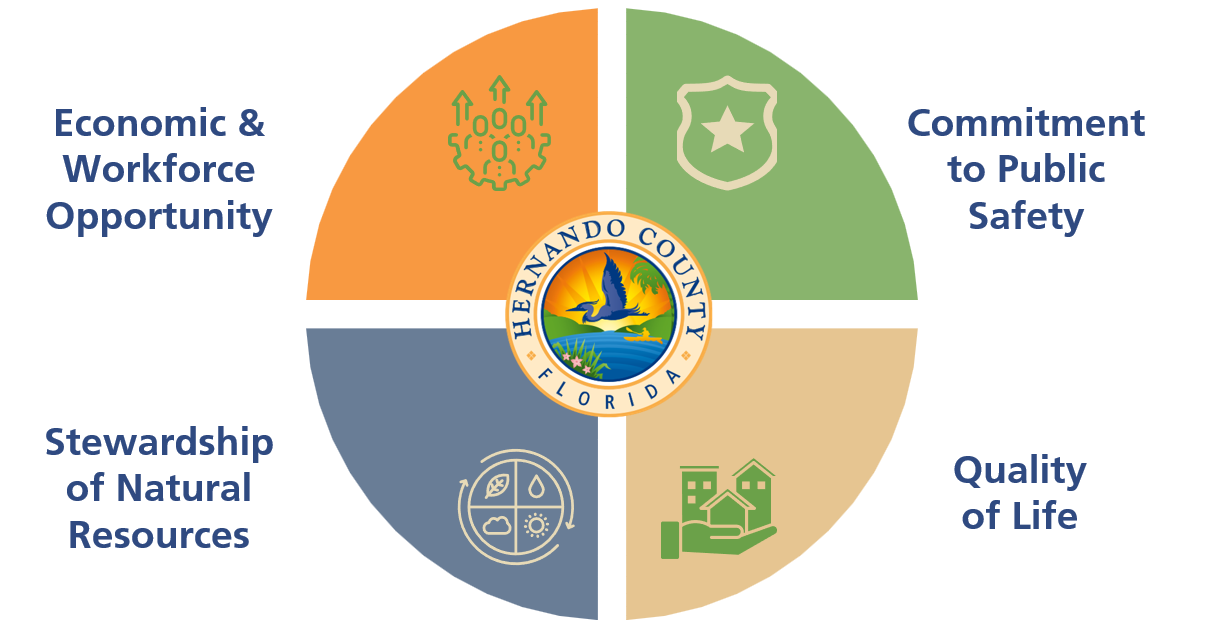
Strategic Theme: A - Economic & Workforce Opportunity
- Goal A.1 Site-ready locations for companies to grow and expand
- Goal A.2 Recurring funding source(s) for economic development infrastructure
- Goal A.3 "Learn here, work here" training and professional development incubator
- Goal A.4 Strategic partnerships and responsive workforce development initiatives for emerging and targeted industries
- Goal A.5 Attract and grow targeted industries
Strategic Theme: B - Commitment to Public Safety
- Goal B.1 Public Safety operational readiness
- Goal B.2 Excellent, responsive Emergency Management
Strategic Theme: C - Stewardship of Natural Resources
- Goal C.1 Protect water quality
- Goal C.2 Utilize areas of conservation lands, forestry, and waterways for passive recreational opportunities
Strategic Theme: D - Quality of Life
- Goal D.1 Well-maintained existing community assets
- Goal D.2 Planning for park operations & development
- Goal D.3 Clear, timely, and informative public communication
- Goal D.4 Operational continuity and innovation through employee engagement
Strategic Plan Objective Progress (9-month)
The dotted line represents the expected progress benchmark of 15%, reflecting that we are approximately 9 months into 5 years of the strategic plan.
Strategic Theme: A - Economic & Workforce Opportunity
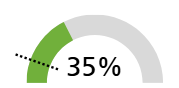 | A.1.1 Invest in the infrastructure needed for targeted industry recruitment and expansion |
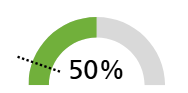 | A.2.1 Explore and assess viable options for establishing a recurring funding mechanism by mid-2026, with consideration given to long-term sustainability and stakeholder input. |
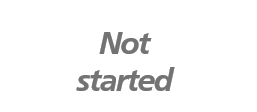 | A.2.2 Based on the findings from A.2.1, begin implementing the most feasible path toward creating a recurring funding mechanism. |
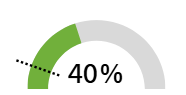 | A.3.1 Collaborate with partners to plan and, if feasible, launch a incubator designed to support working professionals and foster local business growth. |
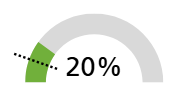 | A.4.1 Partner with industry stakeholders to support efforts that build workforce skills and improve training opportunities aligned with the needs of targeted sectors. |
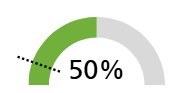 | A.5.1 Develop and offer targeted incentive programs, as resources allow, to encourage the relocation or expansion of high-priority industries within the region. |
Strategic Theme: B - Commitment to Public Safety
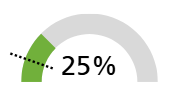 | B.1.1 Invest in public safety facilities |
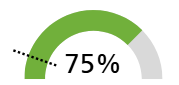 | B.1.2 Seek opportunities to expand recruitment and training capabilities for public safety personnel, aiming to improve retention and readiness. |
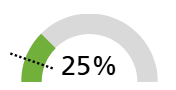 | B.2.1 Strengthen coordination between departments and public safety agencies through joint training exercises and the development of shared protocols by the end of 2026. |
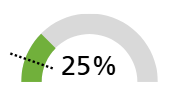 | B.2.2 Support the adoption of technologies that enhance real-time communication and disaster recovery monitoring, with phased implementation. |
Strategic Theme: C - Stewardship of Natural Resources
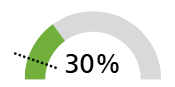 | C.1.1 Establish and promote policies or projects aimed at promoting the health and longevity of water resources, with measurable progress reviewed annually and aligned with state and federal guidance. |
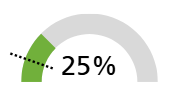 | C.2.1 Identify and prioritize passive recreational enhancement opportunities aligned with the County’s Parks Master Plan, Comprehensive Plan, and the Environmentally Sensitive Lands Management Plan by mid-2026. |
Strategic Theme: D - Quality of Life
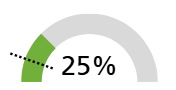 | D.1.1 Pursue diverse funding opportunities to support the maintenance and improvement of community assets (parks and roadway maintenance), with a goal of identifying and applying for key sources. |
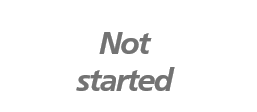 | D.2.2 Develop a forward-looking plan for expanding recreational opportunities in growing areas of the community, informed by demographic trends and community input. |
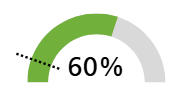 | D.3.1 Provide the public regular updates on County Projects & Priorities |
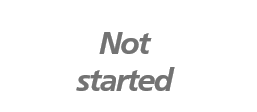 | D.4.1 Create a learning environment for growth and development |
Key Performance Indicators (KPIs)
Strategic Theme: A - Economic & Workforce Opportunity
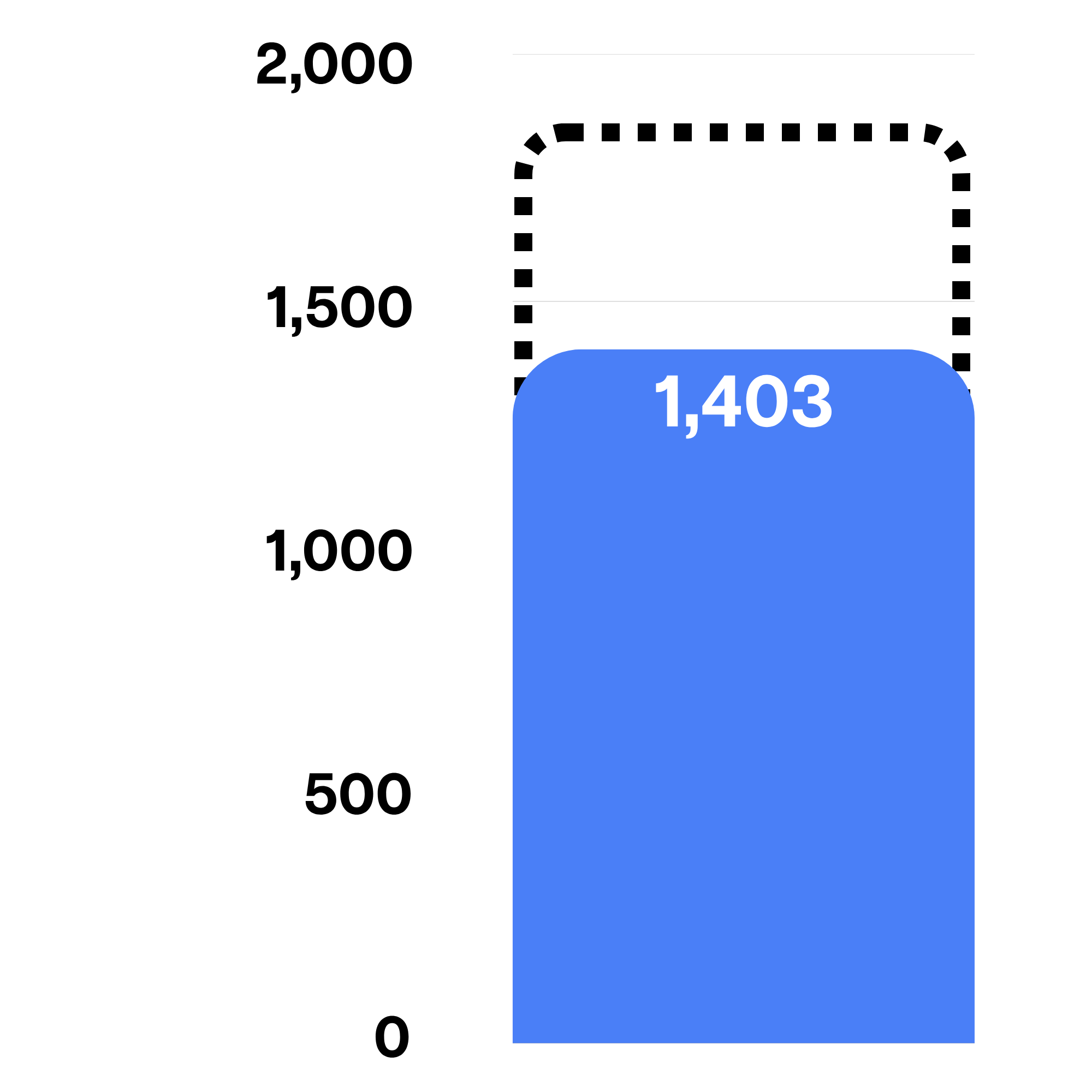 Objective A.1.1 Invest in the infrastructure needed for targeted industry recruitment and expansion
Measure: Investment and Development acreage available at the airport.
Data definition: Increase available acreage for industry expansion on the west side of the airport by developing an additional 423 acres with supporting infrastructure, including an active taxiway, road access, water, and sewer.
Baseline: 1,403 acres are currently site-ready (Source: Airport Land Use Drawing)
Benchmark: 1,826 site-ready acres (Source: Airport Land Use Drawing)
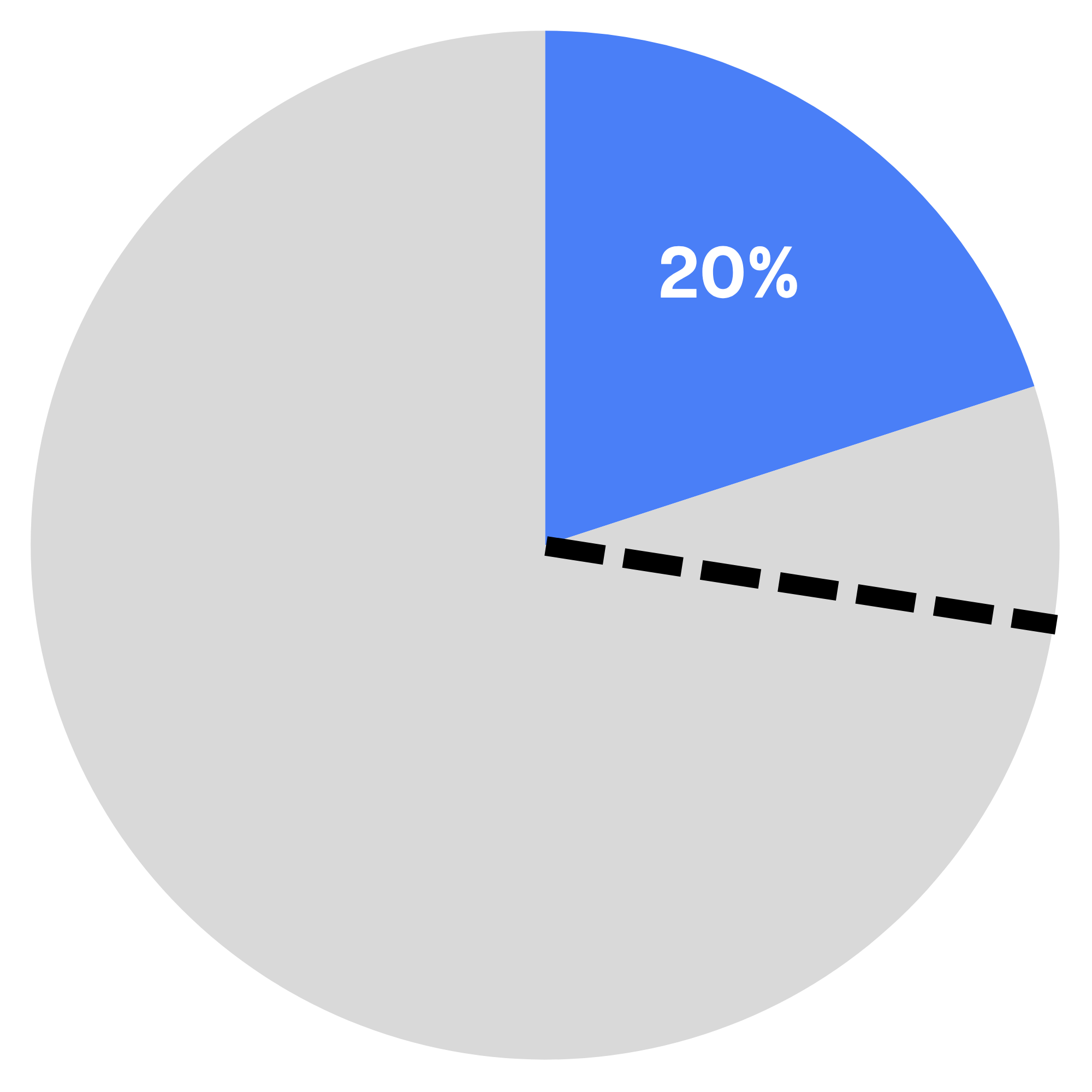 Objective A.2.2 Based on the findings from A.2.1, begin implementing the most feasible path toward creating a recurring funding mechanism
Measure: Increase in value of $ dollars generated from funding mechanism.
Data definition: The percentage of applicable tax revenues (e.g., sales tax, TPP) allocated exclusively to economic development activities.
Baseline: 20% of TPP revenue is designated for economic development in FY 2025–2026 (Source: OMB)
Benchmark: Year‑over‑year increase in total revenue generated for economic development
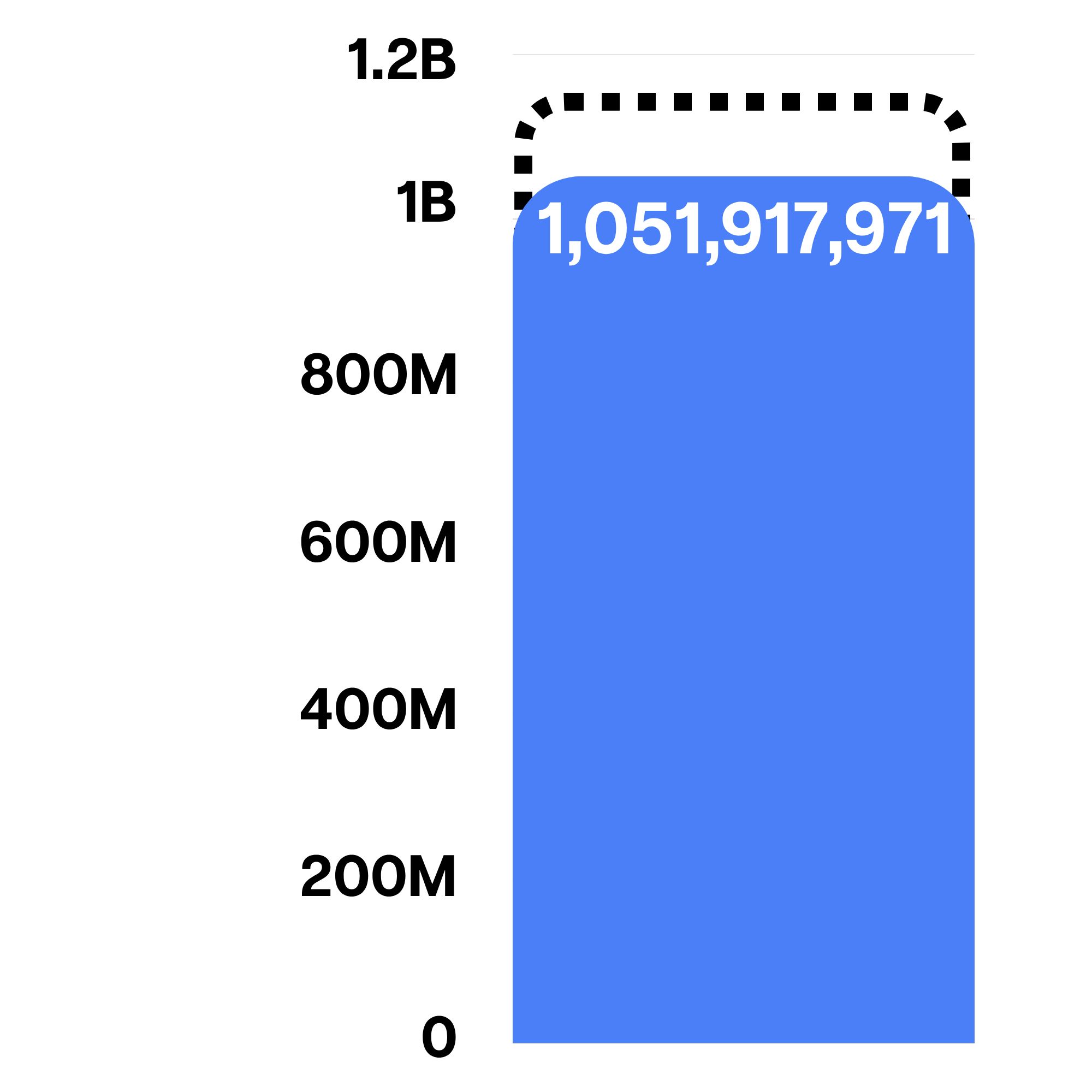 Objective A.5.1 Develop and offer targeted incentive programs, as resources allow, to encourage the relocation or expansion of high-priority industries within the region
Measure: Economic impact of relocation or expansion of targeted industries.
Data definition: Represents the growth in taxable value resulting from newly relocated or expanded targeted industries, measured by the combined increase in tangible personal property (TPP) and ad valorem real property taxable value.
Baseline: $1,051,917,971 as a baseline (Source: 2025 Property Appraiser)
Benchmark: Year‑over‑year increase in total TPP and ad valorem taxable value generated by targeted industries
Strategic Theme: B - Commitment to Public Safety
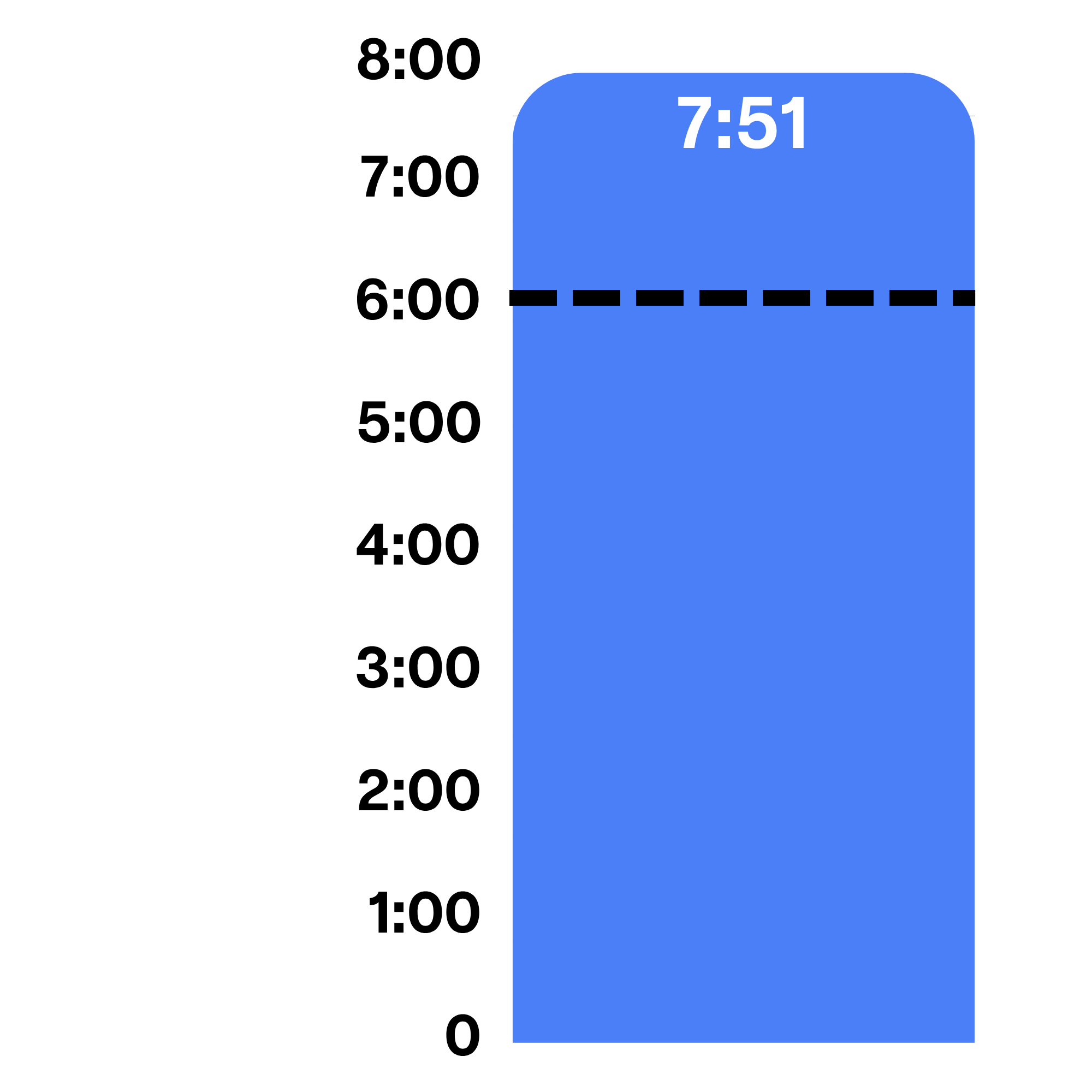
Objective B.1.1 Invest in public safety facilities
Measure: Response times by geographic region.
Data definition: Measures the average response time for fire/EMS calls from dispatch to arrival on scene. This KPI aggregates response performance across all geographic regions served by the county and is evaluated in relation to the National Fire Protection Association (NFPA) 1710 guideline of a six‑minute response time.
Baseline: 7 minutes and 51 seconds (January 2026 Station Report, HCFR District Report)
Benchmark: 6 minutes (Source: NFPA 1710)
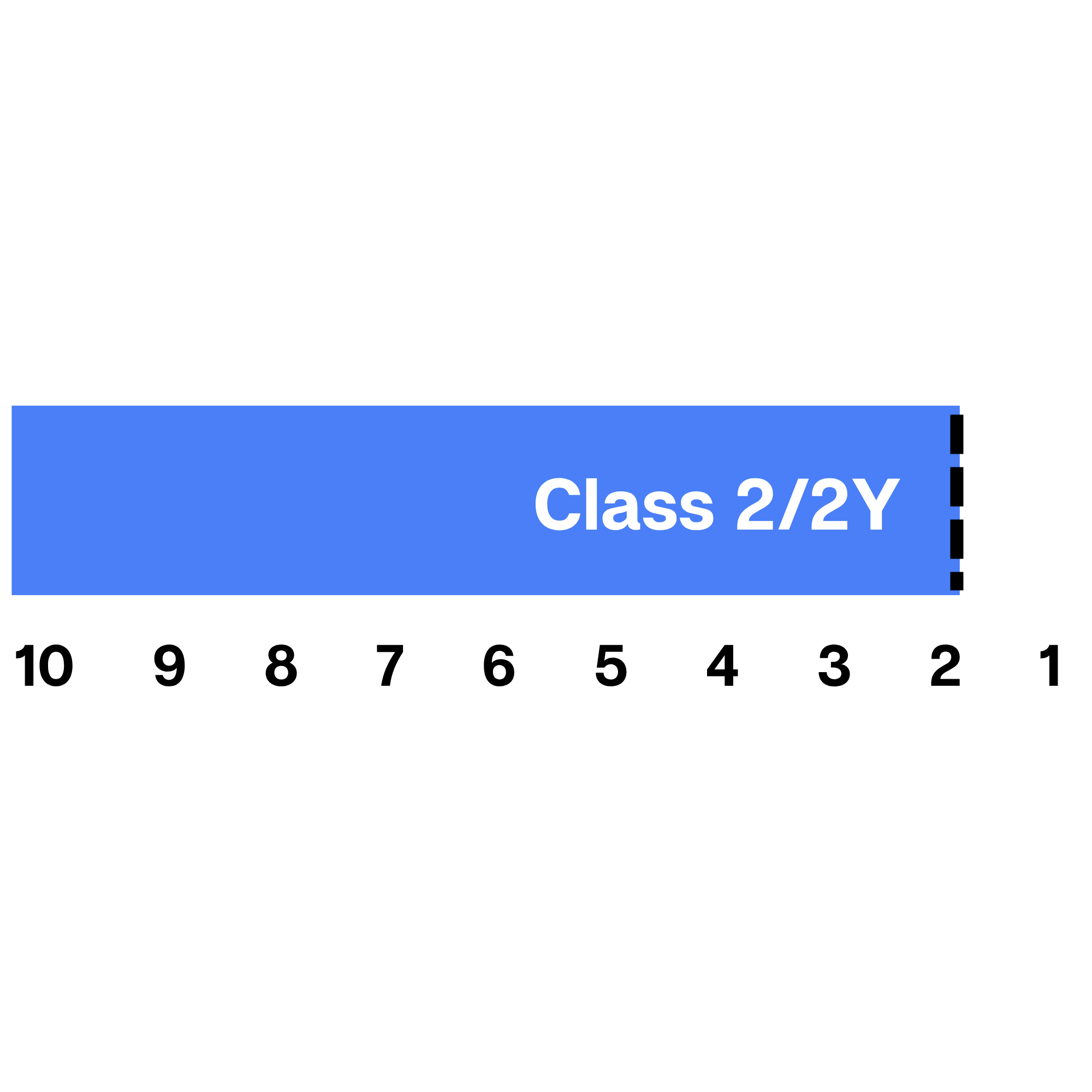
Objective B.1.2 Seek opportunities to expand recruitment and training capabilities for public safety personnel, aiming to improve retention and readiness.
Measure: Retention rates & number of vacancies.
Data definition:The County’s Insurance Services Office (ISO) Public Protection Classification rating, which evaluates the effectiveness of the fire protection system on a scale from 1 to 10 (1 = exemplary protection; 10 = does not meet minimum standards).
Baseline: ISO Class 2/2Y (Source 2023 ISO Report)
Benchmark: ISO Class 2/2Y (Source 2023 ISO Report)
Strategic Theme: C - Stewardship of Natural Resources
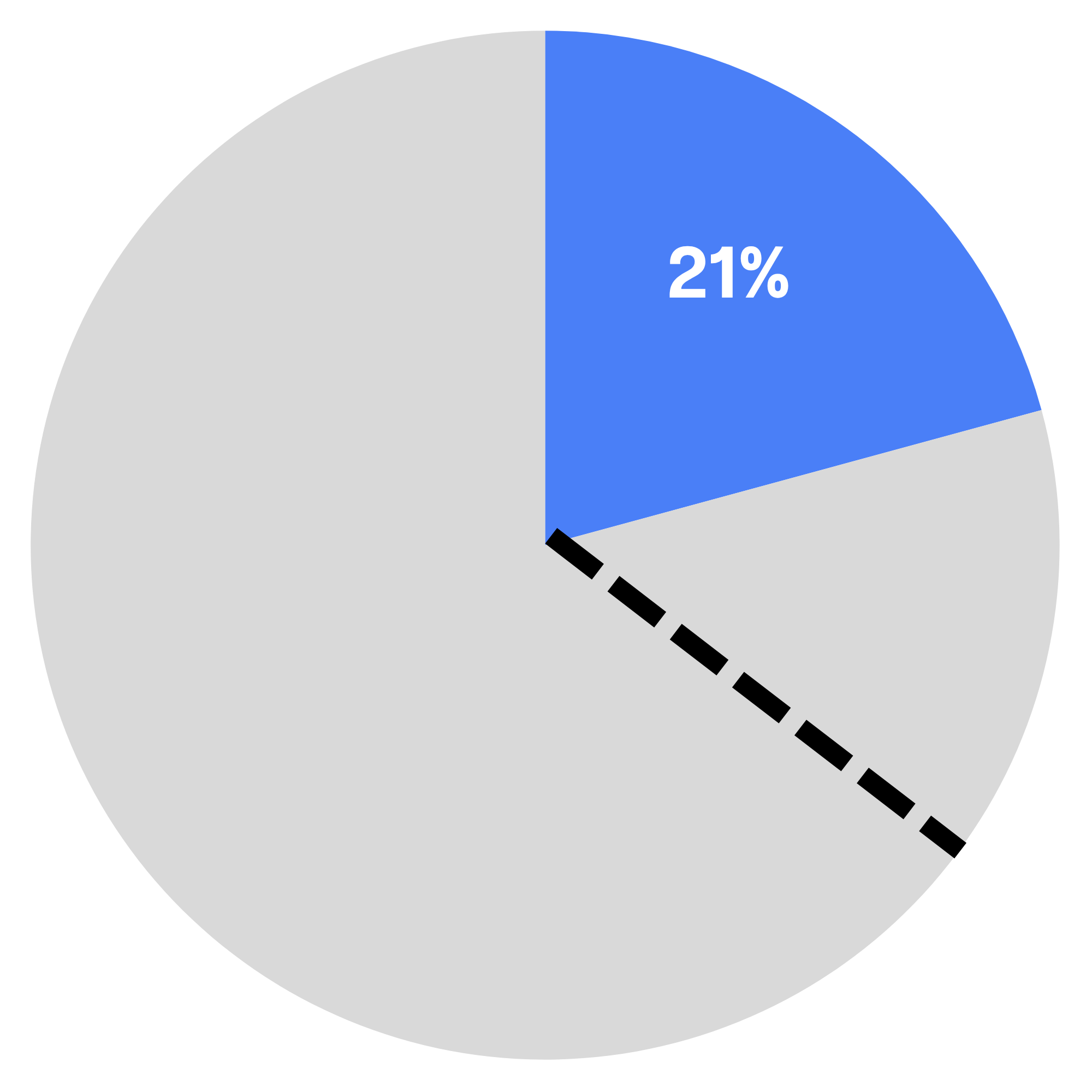
Objective C.1.1 Establish and promote policies or projects aimed at promoting the health and longevity of water resources, with measurable progress reviewed annually and aligned with state and federal guidance.
Measure: Percent of 2028 Nitrogen Reduction Milestone achieved.
Data definition: The percentage of the required nitrogen reduction achieved toward the 2028 milestone, calculated by comparing the current total nitrogen reduction to the baseline nitrogen load and the targeted reduction benchmark established for 2028.
Baseline: 4,609 lbs. (Sources: Weeki Wachee BMAP, Homosassa and Chassahowitzka Springs Groups BMAP)
Benchmark: 22,189 lbs. (Sources: Weeki Wachee BMAP, Homosassa and Chassahowitzka Springs Groups BMAP)
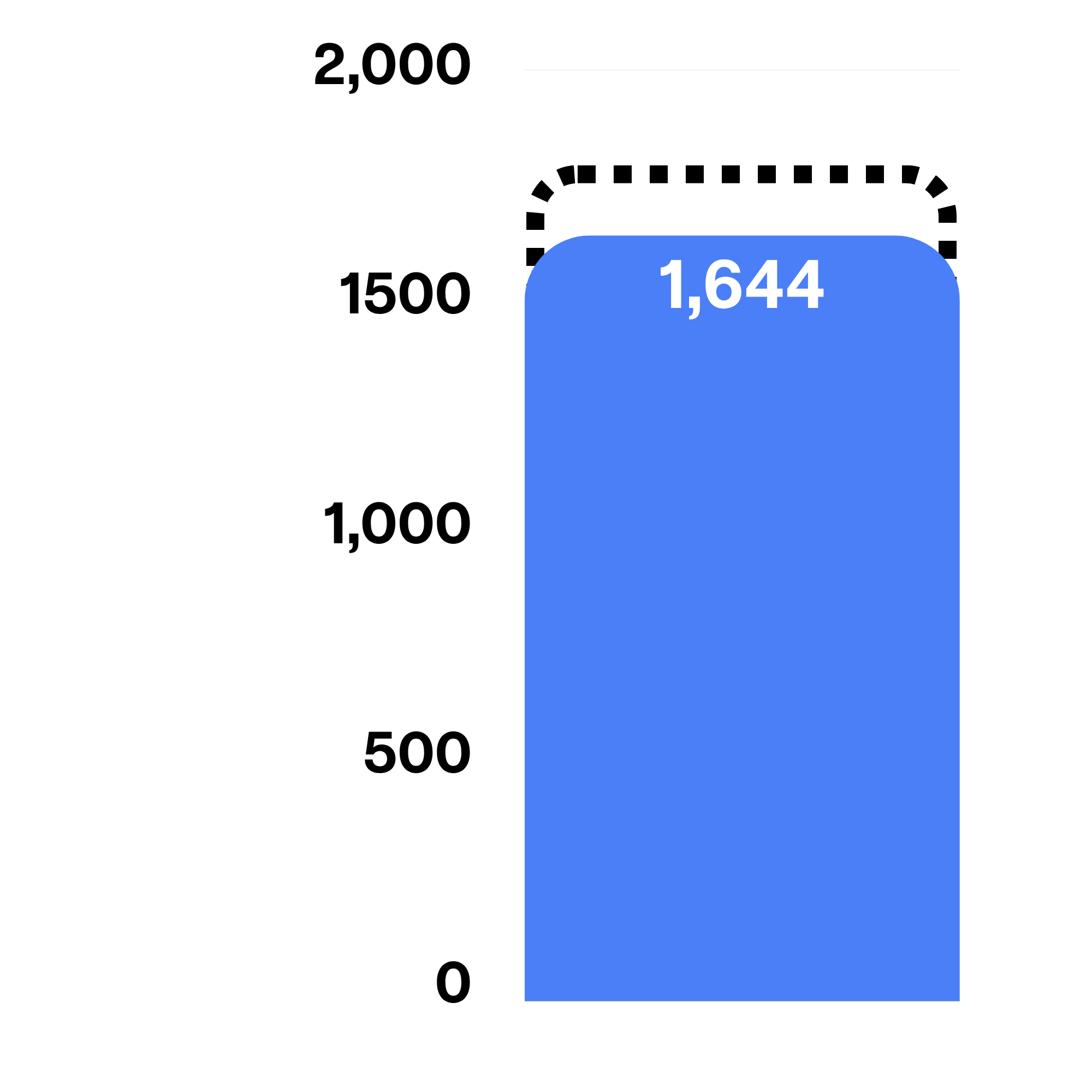
Objective C.2.1 Identify and prioritize passive recreational enhancement opportunities aligned with the County’s Parks Master Plan, Comprehensive Plan, and the Environmentally Sensitive Lands Management Plan by mid-2026.
Measure: Increase in acreage available for passive recreational public use.
Data definition: Total acreage managed by Parks and Natural Resources that is accessible to the public for passive recreation. This includes land owned and leased by the county but excludes waterways and areas not open to public use.
Baseline: 1,644 acres (doesn’t include Peck Sink) (Source: 2025 Property Appraiser)
Benchmark: 1,756 acres (Source: 2025 Property Appraiser)
Strategic Theme: D - Quality of Life
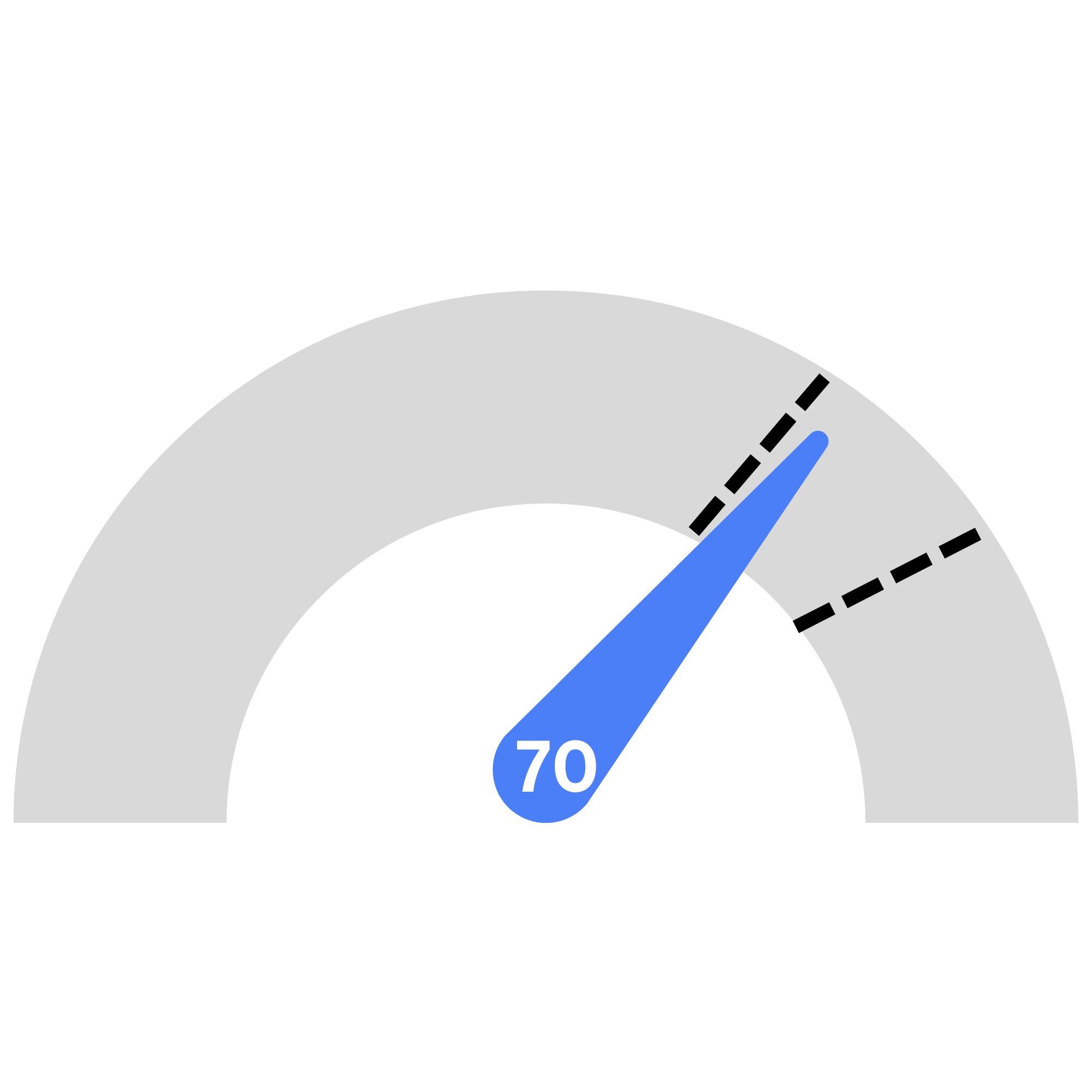
Objective D.1.1 Pursue diverse funding opportunities to support the maintenance and improvement of community assets, with a goal of identifying and applying for key sources.
Measure: Pavement Condition.
Data definition: The overall pavement condition of roadways maintained by the county, expressed as an average Pavement Condition Index (PCI) score on a 0–100 scale. The PCI reflects surface distress, ride quality, and structural integrity, with higher scores indicating better pavement condition.
Baseline: Current PCI rating: 70 (Pavement Management Report 2025)
Benchmark: "Good" PCI rating (68-81)
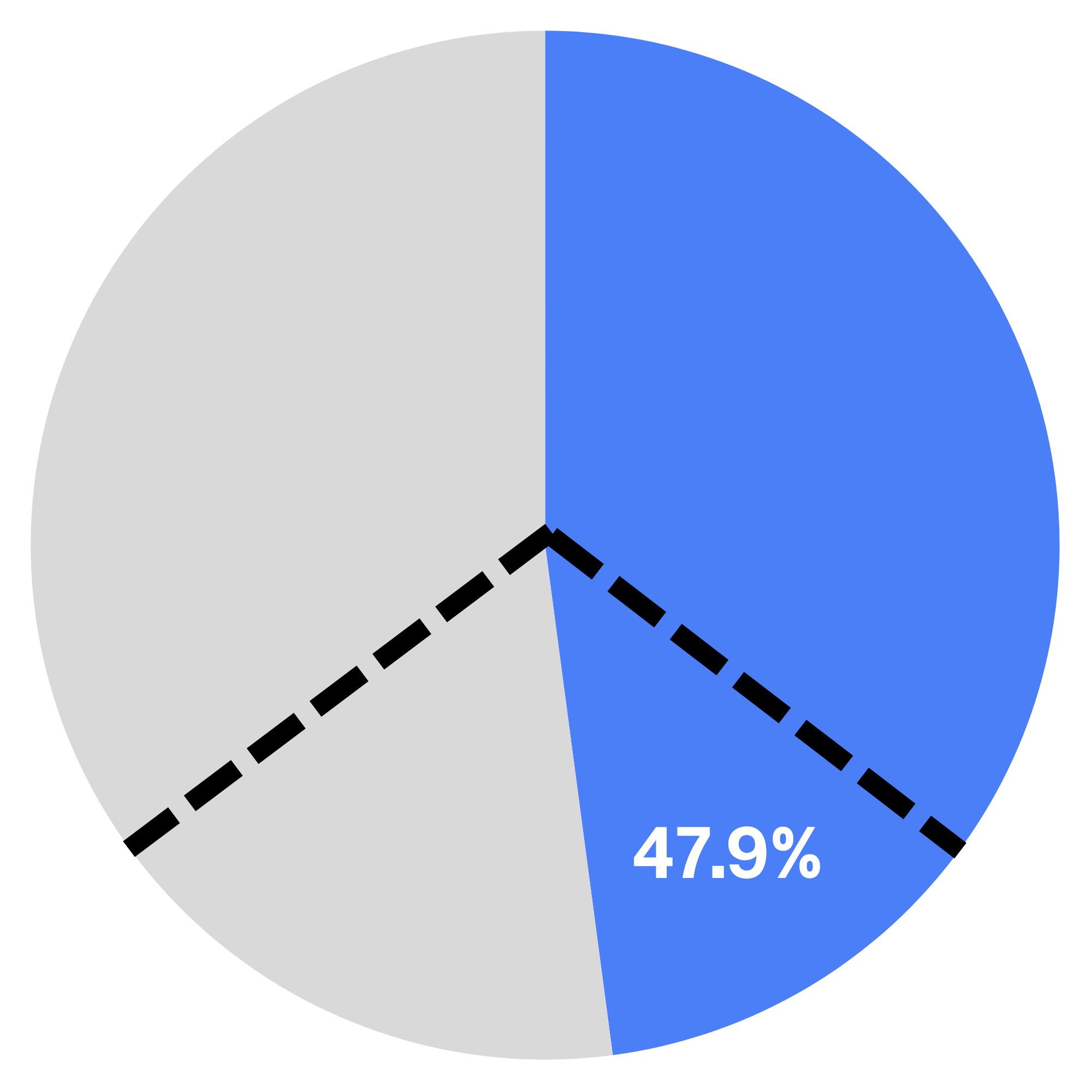
Objective D.3.1 Provide the public regular updates on County Projects & Priorities
Measure: Citizen survey ratings on Communication and Engagement.
Data definition: Evaluates residents’ perceptions of the county’s communication effectiveness and community engagement efforts, as measured through the National Community Survey (NCS). Response options include: Very Satisfied, Somewhat Satisfied, Somewhat Dissatisfied, Very Dissatisfied, and Unsure. The average reflects the aggregate of all sub-categories within the Communication and Citizen Participation section.
Baseline: 47.9% of respondents expressed satisfaction (very or somewhat) with communication and engagement. (Source: 2025 Hernando County Citizen Survey)
Benchmark: Similar National Community Survey results show communication satisfaction averaging 55–60% (Source: Polco/NCS benchmark methodology summaries).
Community Livability
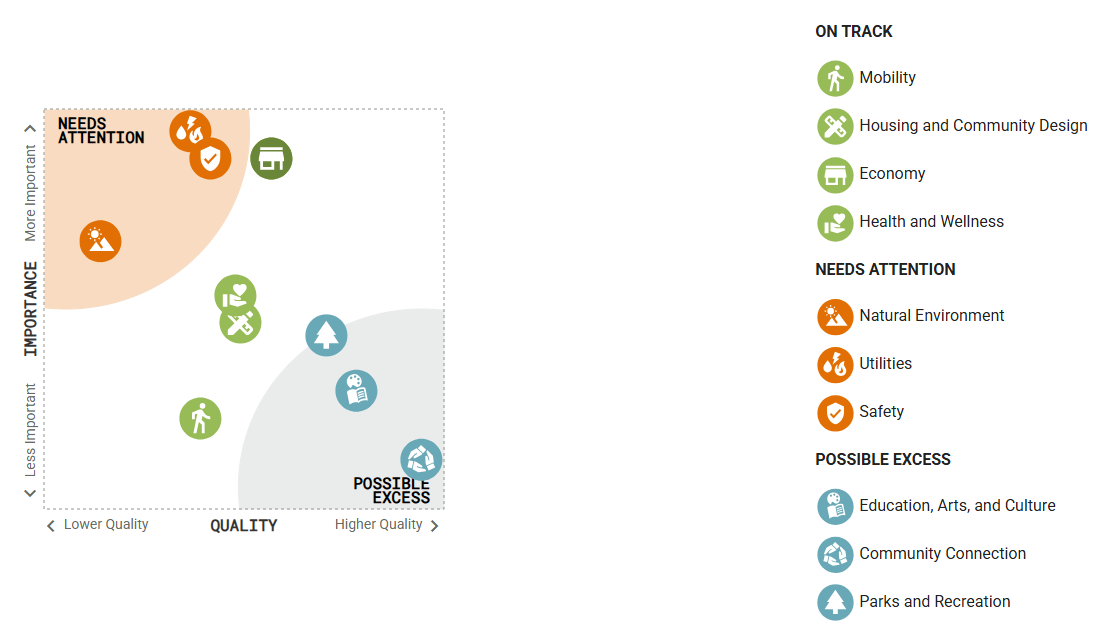
The chart below, sometimes known as a "quality-importance matrix," provides valuable insights into a community's strengths and challenges, which can be useful for planning, budgeting, and performance evaluation.
Each of the domains of community livability is plotted on the chart based on the relative quality (from left to right) and importance (from bottom to top). Domains identified as being of relatively higher importance but relatively lower quality are marked as critical focus areas that may warrant additional attention or resources. In contrast, domains found to be of relatively lower importance and relatively higher quality may present opportunities to reallocate resources to further support critical focus areas.
Learn More about the Community Livability Snapshot
About the Hernando County Strategic Plan
Hernando County is proud to announce the completion and implementation of its new Strategic Plan, officially launched in November 2025. This plan represents a shared vision for the future of our community and provides a clear roadmap to guide the County’s growth, priorities, and decision-making in the years ahead.
This milestone marks the culmination of a yearlong, three-phase planning process that brought together residents, businesses, community partners, and County leadership. Through surveys, public meetings, workshops, and ongoing engagement opportunities, the community played a central role in shaping the vision, goals, and priorities reflected in the final plan.
The County extends its sincere appreciation to everyone who contributed their time, insights, and perspectives. Your input was essential in ensuring the Strategic Plan reflects the values, needs, and aspirations of Hernando County.
The finalized Strategic Plan was presented to the Hernando County Board of County Commissioners in October 2025 and formally implemented the following month. Now that the plan is in place, the County is focused on implementation, accountability, and transparency. Residents are encouraged to stay engaged, and to check this webpage to review the Strategic Plan, and follow progress updates as initiatives move forward.




-
 Leadership Team Kickoff Meeting_Real-Time Record_10-28-24.pdf (2.34 MB) (pdf)
-
BOCC Workshop_Real-Time Record_11-21-24.pdf (1.35 MB) (pdf)
-
BOCC Workshop Recording 11-21-24
-
Hernando County Community Forum I_Real-time Record_12-18-24.pdf (2.01 MB) (pdf)
-
Hernando County Community Forum II_Real-time Record_02-04-2025.pdf (2.1 MB) (pdf)
-
Hernando County Community Forum III_Real-time Record_04-04-2025.pdf (2.13 MB) (pdf)
-
Hernando County Leadership Forum I_Real-Time Record_06-18-25.pdf (3.39 MB) (pdf)
-
Hernando County Leadership Forum I_Video_06-18-25
-
Hernando County Leadership Forum II_Real-Time Record_07-31-25.pdf (3.98 MB) (pdf)
-
Hernando County Leadership Forum I_Video_07-31-25