Proposed Tree Ordinance
Chapter 10 Community Appearance Regulations
Hernando County is undertaking a comprehensive rewrite of Chapter 10 of the County Code, which governs Community Appearance Regulations in unincorporated Hernando County. The proposed update would repeal and replace the current chapter with clearer, modernized standards addressing landscaping, tree preservation and protection, buffers, land clearing, irrigation, invasive plant species, fences, and related administration and enforcement. The goal is to support responsible growth, protect community character and natural resources, respect property rights, and make the regulations easier to understand and apply.
Get Involved:
The Board of County Commissioners discussed the proposed rewrite on August 4, 2026. Before the ordinance returns to the Board for a formal public hearing, the County is inviting residents, property owners, businesses, development professionals, and other interested community members to review the proposal and share feedback.
Provide Your Feedback:
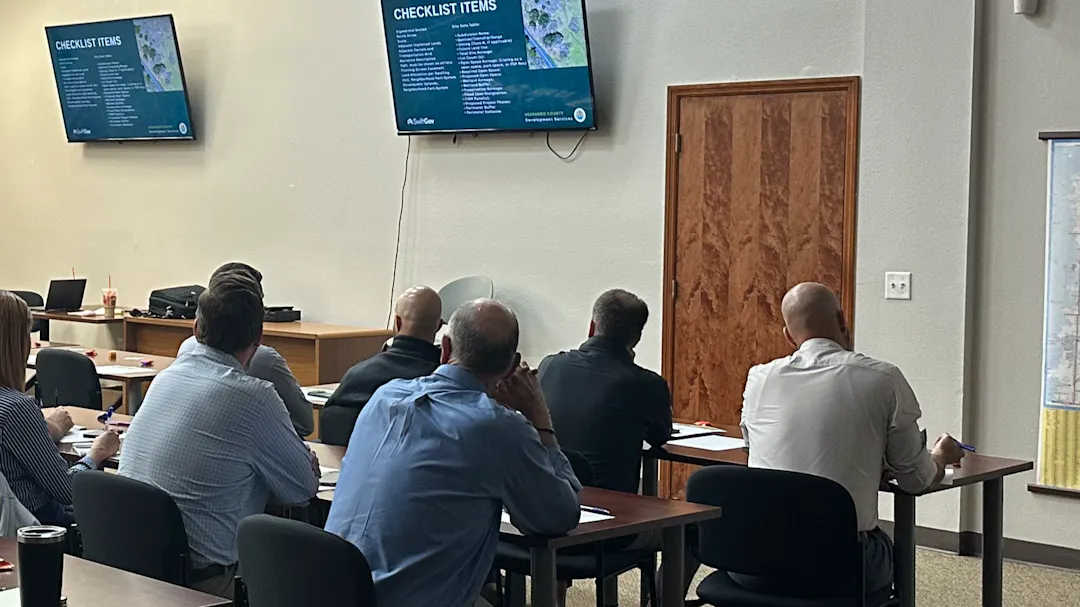
Hernando County invites residents, property owners, businesses, development professionals, and other interested community members to attend a town hall and community roundtable on the proposed rewrite of Chapter 10 of the Hernando County Code, Community Appearance Regulations. The meeting will be held Thursday, August 20, 2026, from 4:30pm to 6:30pm at the Hernando County Utilities Department, 15365 Cortez Boulevard, Brooksville, FL 34613.
Hernando County Commissioner of District 1, Ryan Amsler, will be in attendance, as well as County Commissioner- Elect of District 2, Kathryn Birren.
Virtual access via an online meeting portal option for participation will also be available. Virtual participants are encouraged to enter their full first and last name when joining the meeting so their questions and comments can be properly identified and included in the public record.
Microsoft Teams Need help?(External link)
Join the meeting now(External link)
Meeting ID: 229 152 490 169 566
Passcode: PN3V7vs7
Dial in by phone
1 929-352-3468,,728962146# United States, New York City
1 323-813-7448,,728962146# United States, Los Angeles
1 872-256-1326,,728962146# United States, Chicago
1 469-848-0085,,728962146# United States, Seagoville
Find a local number
Phone conference ID: 728 962 146#
For organizers: Meeting options(External link) | Reset dial-in PIN

*registration not required to attend
Chapter 10 Community Appearance Regulations
Hernando County is undertaking a comprehensive rewrite of Chapter 10 of the County Code, which governs Community Appearance Regulations in unincorporated Hernando County. The proposed update would repeal and replace the current chapter with clearer, modernized standards addressing landscaping, tree preservation and protection, buffers, land clearing, irrigation, invasive plant species, fences, and related administration and enforcement. The goal is to support responsible growth, protect community character and natural resources, respect property rights, and make the regulations easier to understand and apply.
Get Involved:
The Board of County Commissioners discussed the proposed rewrite on August 4, 2026. Before the ordinance returns to the Board for a formal public hearing, the County is inviting residents, property owners, businesses, development professionals, and other interested community members to review the proposal and share feedback.
Provide Your Feedback:
Hernando County invites residents, property owners, businesses, development professionals, and other interested community members to attend a town hall and community roundtable on the proposed rewrite of Chapter 10 of the Hernando County Code, Community Appearance Regulations. The meeting will be held Thursday, August 20, 2026, from 4:30pm to 6:30pm at the Hernando County Utilities Department, 15365 Cortez Boulevard, Brooksville, FL 34613.
Hernando County Commissioner of District 1, Ryan Amsler, will be in attendance, as well as County Commissioner- Elect of District 2, Kathryn Birren.
Virtual access via an online meeting portal option for participation will also be available. Virtual participants are encouraged to enter their full first and last name when joining the meeting so their questions and comments can be properly identified and included in the public record.
Microsoft Teams Need help?(External link)
Join the meeting now(External link)
Meeting ID: 229 152 490 169 566
Passcode: PN3V7vs7
Dial in by phone
1 929-352-3468,,728962146# United States, New York City
1 323-813-7448,,728962146# United States, Los Angeles
1 872-256-1326,,728962146# United States, Chicago
1 469-848-0085,,728962146# United States, Seagoville
Find a local number
Phone conference ID: 728 962 146#
For organizers: Meeting options(External link) | Reset dial-in PIN
*registration not required to attend
Questions
Your experience and perspective can help shape the proposed Chapter 10 rewrite. Use the form below to share feedback, suggest changes, submit public comment, or ask a question for staff to address during the August 20 community meeting. You may comment on the proposal as a whole or on a specific section. Please be as specific as possible and include a section number when available.
Have your say
What should the County keep, change, clarify, add, or remove in the proposed Chapter 10 rewrite? Please explain how the provision may affect you, your property, your neighborhood, your business, or the community. If you have a question for staff to address during the August 20 meeting, include it here.
*Submission Note
Comments received may become public records and may be shared with County staff and the Board of County Commissioners. Submitting a comment through this page does not replace participation in an advertised public hearing. Avoid including sensitive personal information.
-
Share Please accept this into the record for consideration. Trees keep our communities alive and healthy. They clean our air, cool our environment, stop heavy rain from flooding our homes, and give safe homes to local wildlife. Protecting our trees today means keeping our town safe, green, and beautiful for our children tomorrow. Majestic Trees of 36” or greater DBH are easily 100 up to 250 years old. These trees are crucial to the beauty and character of our county and provide wildlife a home. These precious trees must be saved at all costs and not destroyed by developers. The cost of unapproved destruction must be punitive and hard hitting should developers ignore code and tree destruction occurs. The cost of unapproved destruction should be as follows: Unapproved Destruction Tree Category DBH Range Min Replacement Caliper Guideline Replacement Count Fee in Lieu Protected Tree Less than 18” DBH 3” caliper 2 trees $500/tree Specimen Tree 18” to < 23” DBH 3” caliper 3 trees $75 per caliper inch removed Specimen Tree 24” to <36” DBH 4” caliper 4 trees $250 per caliper inch removed Majestic Tree 36” or greater 5” caliper 5 trees $500 per caliper inch removed Staff currently recommends removal of any trees when “they make reasonable development impossible.” Engineers and architects must be instructed to design infrastructure and housing around these trees or they will pay a fee that reflects not only today’s cost but near term loss of the trees. In the event Staff recommends any removal of a Majestic Tree, the Planning & Zoning Commission should be required to vote on the approval after reviewing the tree survey and mitigation proposal. In order to expedite tree mitigation decisions, P&Z could meet twice monthly as needed. P&Z decisions would be final. All requests for any approved destruction must be accompanied by an independent Arborist, not affiliated with the developer or Engineering firm. Below is a recommended tree mitigation chart for approved tree removal. Unapproved Destruction Tree Category DBH Range Min Replacement Caliper Guideline Replacement Count Fee in Lieu Protected Tree Less than 18” DBH 3” caliper 2 trees $500/tree Specimen Tree 18” to < 23” DBH 3” caliper 3 trees $75 per caliper inch removed Specimen Tree 24” to <36” DBH 4” caliper 4 trees $150 per caliper inch removed Majestic Tree 36” or greater 5” caliper 5 trees $250 per caliper inch removed Regarding the tree mitigation costs, there should be no cap on the fees. Surrounding county mitigation fees for all trees reflects their commitment to saving trees and forcing developers to pay when trees are moved. Pasco County mitigation cost is $150/inch Brooksville mitigation cost is $150/inch Marion County mitigation is $221/inch on Facebook Share Please accept this into the record for consideration. Trees keep our communities alive and healthy. They clean our air, cool our environment, stop heavy rain from flooding our homes, and give safe homes to local wildlife. Protecting our trees today means keeping our town safe, green, and beautiful for our children tomorrow. Majestic Trees of 36” or greater DBH are easily 100 up to 250 years old. These trees are crucial to the beauty and character of our county and provide wildlife a home. These precious trees must be saved at all costs and not destroyed by developers. The cost of unapproved destruction must be punitive and hard hitting should developers ignore code and tree destruction occurs. The cost of unapproved destruction should be as follows: Unapproved Destruction Tree Category DBH Range Min Replacement Caliper Guideline Replacement Count Fee in Lieu Protected Tree Less than 18” DBH 3” caliper 2 trees $500/tree Specimen Tree 18” to < 23” DBH 3” caliper 3 trees $75 per caliper inch removed Specimen Tree 24” to <36” DBH 4” caliper 4 trees $250 per caliper inch removed Majestic Tree 36” or greater 5” caliper 5 trees $500 per caliper inch removed Staff currently recommends removal of any trees when “they make reasonable development impossible.” Engineers and architects must be instructed to design infrastructure and housing around these trees or they will pay a fee that reflects not only today’s cost but near term loss of the trees. In the event Staff recommends any removal of a Majestic Tree, the Planning & Zoning Commission should be required to vote on the approval after reviewing the tree survey and mitigation proposal. In order to expedite tree mitigation decisions, P&Z could meet twice monthly as needed. P&Z decisions would be final. All requests for any approved destruction must be accompanied by an independent Arborist, not affiliated with the developer or Engineering firm. Below is a recommended tree mitigation chart for approved tree removal. Unapproved Destruction Tree Category DBH Range Min Replacement Caliper Guideline Replacement Count Fee in Lieu Protected Tree Less than 18” DBH 3” caliper 2 trees $500/tree Specimen Tree 18” to < 23” DBH 3” caliper 3 trees $75 per caliper inch removed Specimen Tree 24” to <36” DBH 4” caliper 4 trees $150 per caliper inch removed Majestic Tree 36” or greater 5” caliper 5 trees $250 per caliper inch removed Regarding the tree mitigation costs, there should be no cap on the fees. Surrounding county mitigation fees for all trees reflects their commitment to saving trees and forcing developers to pay when trees are moved. Pasco County mitigation cost is $150/inch Brooksville mitigation cost is $150/inch Marion County mitigation is $221/inch on X (formerly Twitter) Share Please accept this into the record for consideration. Trees keep our communities alive and healthy. They clean our air, cool our environment, stop heavy rain from flooding our homes, and give safe homes to local wildlife. Protecting our trees today means keeping our town safe, green, and beautiful for our children tomorrow. Majestic Trees of 36” or greater DBH are easily 100 up to 250 years old. These trees are crucial to the beauty and character of our county and provide wildlife a home. These precious trees must be saved at all costs and not destroyed by developers. The cost of unapproved destruction must be punitive and hard hitting should developers ignore code and tree destruction occurs. The cost of unapproved destruction should be as follows: Unapproved Destruction Tree Category DBH Range Min Replacement Caliper Guideline Replacement Count Fee in Lieu Protected Tree Less than 18” DBH 3” caliper 2 trees $500/tree Specimen Tree 18” to < 23” DBH 3” caliper 3 trees $75 per caliper inch removed Specimen Tree 24” to <36” DBH 4” caliper 4 trees $250 per caliper inch removed Majestic Tree 36” or greater 5” caliper 5 trees $500 per caliper inch removed Staff currently recommends removal of any trees when “they make reasonable development impossible.” Engineers and architects must be instructed to design infrastructure and housing around these trees or they will pay a fee that reflects not only today’s cost but near term loss of the trees. In the event Staff recommends any removal of a Majestic Tree, the Planning & Zoning Commission should be required to vote on the approval after reviewing the tree survey and mitigation proposal. In order to expedite tree mitigation decisions, P&Z could meet twice monthly as needed. P&Z decisions would be final. All requests for any approved destruction must be accompanied by an independent Arborist, not affiliated with the developer or Engineering firm. Below is a recommended tree mitigation chart for approved tree removal. Unapproved Destruction Tree Category DBH Range Min Replacement Caliper Guideline Replacement Count Fee in Lieu Protected Tree Less than 18” DBH 3” caliper 2 trees $500/tree Specimen Tree 18” to < 23” DBH 3” caliper 3 trees $75 per caliper inch removed Specimen Tree 24” to <36” DBH 4” caliper 4 trees $150 per caliper inch removed Majestic Tree 36” or greater 5” caliper 5 trees $250 per caliper inch removed Regarding the tree mitigation costs, there should be no cap on the fees. Surrounding county mitigation fees for all trees reflects their commitment to saving trees and forcing developers to pay when trees are moved. Pasco County mitigation cost is $150/inch Brooksville mitigation cost is $150/inch Marion County mitigation is $221/inch on Linkedin Email Please accept this into the record for consideration. Trees keep our communities alive and healthy. They clean our air, cool our environment, stop heavy rain from flooding our homes, and give safe homes to local wildlife. Protecting our trees today means keeping our town safe, green, and beautiful for our children tomorrow. Majestic Trees of 36” or greater DBH are easily 100 up to 250 years old. These trees are crucial to the beauty and character of our county and provide wildlife a home. These precious trees must be saved at all costs and not destroyed by developers. The cost of unapproved destruction must be punitive and hard hitting should developers ignore code and tree destruction occurs. The cost of unapproved destruction should be as follows: Unapproved Destruction Tree Category DBH Range Min Replacement Caliper Guideline Replacement Count Fee in Lieu Protected Tree Less than 18” DBH 3” caliper 2 trees $500/tree Specimen Tree 18” to < 23” DBH 3” caliper 3 trees $75 per caliper inch removed Specimen Tree 24” to <36” DBH 4” caliper 4 trees $250 per caliper inch removed Majestic Tree 36” or greater 5” caliper 5 trees $500 per caliper inch removed Staff currently recommends removal of any trees when “they make reasonable development impossible.” Engineers and architects must be instructed to design infrastructure and housing around these trees or they will pay a fee that reflects not only today’s cost but near term loss of the trees. In the event Staff recommends any removal of a Majestic Tree, the Planning & Zoning Commission should be required to vote on the approval after reviewing the tree survey and mitigation proposal. In order to expedite tree mitigation decisions, P&Z could meet twice monthly as needed. P&Z decisions would be final. All requests for any approved destruction must be accompanied by an independent Arborist, not affiliated with the developer or Engineering firm. Below is a recommended tree mitigation chart for approved tree removal. Unapproved Destruction Tree Category DBH Range Min Replacement Caliper Guideline Replacement Count Fee in Lieu Protected Tree Less than 18” DBH 3” caliper 2 trees $500/tree Specimen Tree 18” to < 23” DBH 3” caliper 3 trees $75 per caliper inch removed Specimen Tree 24” to <36” DBH 4” caliper 4 trees $150 per caliper inch removed Majestic Tree 36” or greater 5” caliper 5 trees $250 per caliper inch removed Regarding the tree mitigation costs, there should be no cap on the fees. Surrounding county mitigation fees for all trees reflects their commitment to saving trees and forcing developers to pay when trees are moved. Pasco County mitigation cost is $150/inch Brooksville mitigation cost is $150/inch Marion County mitigation is $221/inch link
Please accept this into the record for consideration. Trees keep our communities alive and healthy. They clean our air, cool our environment, stop heavy rain from flooding our homes, and give safe homes to local wildlife. Protecting our trees today means keeping our town safe, green, and beautiful for our children tomorrow. Majestic Trees of 36” or greater DBH are easily 100 up to 250 years old. These trees are crucial to the beauty and character of our county and provide wildlife a home. These precious trees must be saved at all costs and not destroyed by developers. The cost of unapproved destruction must be punitive and hard hitting should developers ignore code and tree destruction occurs. The cost of unapproved destruction should be as follows: Unapproved Destruction Tree Category DBH Range Min Replacement Caliper Guideline Replacement Count Fee in Lieu Protected Tree Less than 18” DBH 3” caliper 2 trees $500/tree Specimen Tree 18” to < 23” DBH 3” caliper 3 trees $75 per caliper inch removed Specimen Tree 24” to <36” DBH 4” caliper 4 trees $250 per caliper inch removed Majestic Tree 36” or greater 5” caliper 5 trees $500 per caliper inch removed Staff currently recommends removal of any trees when “they make reasonable development impossible.” Engineers and architects must be instructed to design infrastructure and housing around these trees or they will pay a fee that reflects not only today’s cost but near term loss of the trees. In the event Staff recommends any removal of a Majestic Tree, the Planning & Zoning Commission should be required to vote on the approval after reviewing the tree survey and mitigation proposal. In order to expedite tree mitigation decisions, P&Z could meet twice monthly as needed. P&Z decisions would be final. All requests for any approved destruction must be accompanied by an independent Arborist, not affiliated with the developer or Engineering firm. Below is a recommended tree mitigation chart for approved tree removal. Unapproved Destruction Tree Category DBH Range Min Replacement Caliper Guideline Replacement Count Fee in Lieu Protected Tree Less than 18” DBH 3” caliper 2 trees $500/tree Specimen Tree 18” to < 23” DBH 3” caliper 3 trees $75 per caliper inch removed Specimen Tree 24” to <36” DBH 4” caliper 4 trees $150 per caliper inch removed Majestic Tree 36” or greater 5” caliper 5 trees $250 per caliper inch removed Regarding the tree mitigation costs, there should be no cap on the fees. Surrounding county mitigation fees for all trees reflects their commitment to saving trees and forcing developers to pay when trees are moved. Pasco County mitigation cost is $150/inch Brooksville mitigation cost is $150/inch Marion County mitigation is $221/inch
bmorgan asked about 1 month agoThank you for providing feedback. Your comments will be publicly answered at the Townhall meeting on Thursday, August 20th at 4:30pm at the Hernando County Utilities Department. You may attend in-person or virtually. All meeting details are listed on www.EngageHernando.com/Trees.
-
Share Submitted by Shannon Morgan Here are the 10 items I want to raise for consideration to assure our county protects our trees and existing forests. 1. “Preserve mature trees first—mitigation is not an equivalent substitute.” a. “The County should make preservation the first objective. Replacement trees should be a last resort—not a substitute for preserving mature trees.” 2. 15 trees per acre is too easy to satisfy if the developer can plant new trees instead of preserving existing ones. “The 15-tree-per-acre requirement should be a minimum planting standard in addition to a meaningful existing-tree retention requirement.” 3. “Preserve existing mature tree stands as ecological units, not merely individual trees.” A developer shouldn't be able to save five trees while destroying the surrounding forest that keeps those trees healthy. 4. The ordinance allows removal of a Specimen or Majestic Tree when: “The tree prevents a proposed reasonable permitted use of the site.” I would ask that the ordinance expressly require: 1. redesign of the site to preserve the tree; 2. relocation of buildings; 3. relocation of parking; 4. relocation of stormwater facilities; 5. relocation of utilities; and6. consideration of reduced impervious surface, all before the removal is authorized. 5. Require the developer to prove that alternatives were actually exhausted. Require requires competent and substantial evidence of exceptional hardship and a showing that no feasible alternatives exist. Don't make citizens prove that the tree can be saved. Require the applicant to prove that it cannot. 6. Protect the tree's root zone—not just the trunk and canopy. The proposed Tree Protection Zone extends only a minimum of two-thirds of the tree's drip line. This deserves scrutiny because construction damage frequently occurs through: excavation; grading; compaction; trenching; heavy equipment; fill dirt; concrete trucks; utility installation; and cutting roots. 7. Don't allow developers to buy their way out of mature-tree preservation too cheaply. The mitigation schedule establishes fee-in-lieu payments, including $75 per caliper inch removed for Specimen and Majestic Trees. Is the fee high enough that preservation is economically preferable to removal? If removing a valuable 36"+ tree is cheaper and easier than redesigning the development, the ordinance creates the wrong incentive. Consider raising the fee to $150/inch. 8. Strong enforcement during construction is essential. 9. Include native pine trees, especially those 24” DBH or greater as protected trees. 10. Make tree preservation a condition of the development approval—not merely an administrative landscaping issue. The BOCC should make tree preservation part of the binding development conditions: identify significant tree stands; identify individual Specimen and Majestic Trees; establish permanent preservation areas; require conservation easements; prohibit future clearing; establish minimum canopy retention; require protection during construction. on Facebook Share Submitted by Shannon Morgan Here are the 10 items I want to raise for consideration to assure our county protects our trees and existing forests. 1. “Preserve mature trees first—mitigation is not an equivalent substitute.” a. “The County should make preservation the first objective. Replacement trees should be a last resort—not a substitute for preserving mature trees.” 2. 15 trees per acre is too easy to satisfy if the developer can plant new trees instead of preserving existing ones. “The 15-tree-per-acre requirement should be a minimum planting standard in addition to a meaningful existing-tree retention requirement.” 3. “Preserve existing mature tree stands as ecological units, not merely individual trees.” A developer shouldn't be able to save five trees while destroying the surrounding forest that keeps those trees healthy. 4. The ordinance allows removal of a Specimen or Majestic Tree when: “The tree prevents a proposed reasonable permitted use of the site.” I would ask that the ordinance expressly require: 1. redesign of the site to preserve the tree; 2. relocation of buildings; 3. relocation of parking; 4. relocation of stormwater facilities; 5. relocation of utilities; and6. consideration of reduced impervious surface, all before the removal is authorized. 5. Require the developer to prove that alternatives were actually exhausted. Require requires competent and substantial evidence of exceptional hardship and a showing that no feasible alternatives exist. Don't make citizens prove that the tree can be saved. Require the applicant to prove that it cannot. 6. Protect the tree's root zone—not just the trunk and canopy. The proposed Tree Protection Zone extends only a minimum of two-thirds of the tree's drip line. This deserves scrutiny because construction damage frequently occurs through: excavation; grading; compaction; trenching; heavy equipment; fill dirt; concrete trucks; utility installation; and cutting roots. 7. Don't allow developers to buy their way out of mature-tree preservation too cheaply. The mitigation schedule establishes fee-in-lieu payments, including $75 per caliper inch removed for Specimen and Majestic Trees. Is the fee high enough that preservation is economically preferable to removal? If removing a valuable 36"+ tree is cheaper and easier than redesigning the development, the ordinance creates the wrong incentive. Consider raising the fee to $150/inch. 8. Strong enforcement during construction is essential. 9. Include native pine trees, especially those 24” DBH or greater as protected trees. 10. Make tree preservation a condition of the development approval—not merely an administrative landscaping issue. The BOCC should make tree preservation part of the binding development conditions: identify significant tree stands; identify individual Specimen and Majestic Trees; establish permanent preservation areas; require conservation easements; prohibit future clearing; establish minimum canopy retention; require protection during construction. on X (formerly Twitter) Share Submitted by Shannon Morgan Here are the 10 items I want to raise for consideration to assure our county protects our trees and existing forests. 1. “Preserve mature trees first—mitigation is not an equivalent substitute.” a. “The County should make preservation the first objective. Replacement trees should be a last resort—not a substitute for preserving mature trees.” 2. 15 trees per acre is too easy to satisfy if the developer can plant new trees instead of preserving existing ones. “The 15-tree-per-acre requirement should be a minimum planting standard in addition to a meaningful existing-tree retention requirement.” 3. “Preserve existing mature tree stands as ecological units, not merely individual trees.” A developer shouldn't be able to save five trees while destroying the surrounding forest that keeps those trees healthy. 4. The ordinance allows removal of a Specimen or Majestic Tree when: “The tree prevents a proposed reasonable permitted use of the site.” I would ask that the ordinance expressly require: 1. redesign of the site to preserve the tree; 2. relocation of buildings; 3. relocation of parking; 4. relocation of stormwater facilities; 5. relocation of utilities; and6. consideration of reduced impervious surface, all before the removal is authorized. 5. Require the developer to prove that alternatives were actually exhausted. Require requires competent and substantial evidence of exceptional hardship and a showing that no feasible alternatives exist. Don't make citizens prove that the tree can be saved. Require the applicant to prove that it cannot. 6. Protect the tree's root zone—not just the trunk and canopy. The proposed Tree Protection Zone extends only a minimum of two-thirds of the tree's drip line. This deserves scrutiny because construction damage frequently occurs through: excavation; grading; compaction; trenching; heavy equipment; fill dirt; concrete trucks; utility installation; and cutting roots. 7. Don't allow developers to buy their way out of mature-tree preservation too cheaply. The mitigation schedule establishes fee-in-lieu payments, including $75 per caliper inch removed for Specimen and Majestic Trees. Is the fee high enough that preservation is economically preferable to removal? If removing a valuable 36"+ tree is cheaper and easier than redesigning the development, the ordinance creates the wrong incentive. Consider raising the fee to $150/inch. 8. Strong enforcement during construction is essential. 9. Include native pine trees, especially those 24” DBH or greater as protected trees. 10. Make tree preservation a condition of the development approval—not merely an administrative landscaping issue. The BOCC should make tree preservation part of the binding development conditions: identify significant tree stands; identify individual Specimen and Majestic Trees; establish permanent preservation areas; require conservation easements; prohibit future clearing; establish minimum canopy retention; require protection during construction. on Linkedin Email Submitted by Shannon Morgan Here are the 10 items I want to raise for consideration to assure our county protects our trees and existing forests. 1. “Preserve mature trees first—mitigation is not an equivalent substitute.” a. “The County should make preservation the first objective. Replacement trees should be a last resort—not a substitute for preserving mature trees.” 2. 15 trees per acre is too easy to satisfy if the developer can plant new trees instead of preserving existing ones. “The 15-tree-per-acre requirement should be a minimum planting standard in addition to a meaningful existing-tree retention requirement.” 3. “Preserve existing mature tree stands as ecological units, not merely individual trees.” A developer shouldn't be able to save five trees while destroying the surrounding forest that keeps those trees healthy. 4. The ordinance allows removal of a Specimen or Majestic Tree when: “The tree prevents a proposed reasonable permitted use of the site.” I would ask that the ordinance expressly require: 1. redesign of the site to preserve the tree; 2. relocation of buildings; 3. relocation of parking; 4. relocation of stormwater facilities; 5. relocation of utilities; and6. consideration of reduced impervious surface, all before the removal is authorized. 5. Require the developer to prove that alternatives were actually exhausted. Require requires competent and substantial evidence of exceptional hardship and a showing that no feasible alternatives exist. Don't make citizens prove that the tree can be saved. Require the applicant to prove that it cannot. 6. Protect the tree's root zone—not just the trunk and canopy. The proposed Tree Protection Zone extends only a minimum of two-thirds of the tree's drip line. This deserves scrutiny because construction damage frequently occurs through: excavation; grading; compaction; trenching; heavy equipment; fill dirt; concrete trucks; utility installation; and cutting roots. 7. Don't allow developers to buy their way out of mature-tree preservation too cheaply. The mitigation schedule establishes fee-in-lieu payments, including $75 per caliper inch removed for Specimen and Majestic Trees. Is the fee high enough that preservation is economically preferable to removal? If removing a valuable 36"+ tree is cheaper and easier than redesigning the development, the ordinance creates the wrong incentive. Consider raising the fee to $150/inch. 8. Strong enforcement during construction is essential. 9. Include native pine trees, especially those 24” DBH or greater as protected trees. 10. Make tree preservation a condition of the development approval—not merely an administrative landscaping issue. The BOCC should make tree preservation part of the binding development conditions: identify significant tree stands; identify individual Specimen and Majestic Trees; establish permanent preservation areas; require conservation easements; prohibit future clearing; establish minimum canopy retention; require protection during construction. link
Submitted by Shannon Morgan Here are the 10 items I want to raise for consideration to assure our county protects our trees and existing forests. 1. “Preserve mature trees first—mitigation is not an equivalent substitute.” a. “The County should make preservation the first objective. Replacement trees should be a last resort—not a substitute for preserving mature trees.” 2. 15 trees per acre is too easy to satisfy if the developer can plant new trees instead of preserving existing ones. “The 15-tree-per-acre requirement should be a minimum planting standard in addition to a meaningful existing-tree retention requirement.” 3. “Preserve existing mature tree stands as ecological units, not merely individual trees.” A developer shouldn't be able to save five trees while destroying the surrounding forest that keeps those trees healthy. 4. The ordinance allows removal of a Specimen or Majestic Tree when: “The tree prevents a proposed reasonable permitted use of the site.” I would ask that the ordinance expressly require: 1. redesign of the site to preserve the tree; 2. relocation of buildings; 3. relocation of parking; 4. relocation of stormwater facilities; 5. relocation of utilities; and6. consideration of reduced impervious surface, all before the removal is authorized. 5. Require the developer to prove that alternatives were actually exhausted. Require requires competent and substantial evidence of exceptional hardship and a showing that no feasible alternatives exist. Don't make citizens prove that the tree can be saved. Require the applicant to prove that it cannot. 6. Protect the tree's root zone—not just the trunk and canopy. The proposed Tree Protection Zone extends only a minimum of two-thirds of the tree's drip line. This deserves scrutiny because construction damage frequently occurs through: excavation; grading; compaction; trenching; heavy equipment; fill dirt; concrete trucks; utility installation; and cutting roots. 7. Don't allow developers to buy their way out of mature-tree preservation too cheaply. The mitigation schedule establishes fee-in-lieu payments, including $75 per caliper inch removed for Specimen and Majestic Trees. Is the fee high enough that preservation is economically preferable to removal? If removing a valuable 36"+ tree is cheaper and easier than redesigning the development, the ordinance creates the wrong incentive. Consider raising the fee to $150/inch. 8. Strong enforcement during construction is essential. 9. Include native pine trees, especially those 24” DBH or greater as protected trees. 10. Make tree preservation a condition of the development approval—not merely an administrative landscaping issue. The BOCC should make tree preservation part of the binding development conditions: identify significant tree stands; identify individual Specimen and Majestic Trees; establish permanent preservation areas; require conservation easements; prohibit future clearing; establish minimum canopy retention; require protection during construction.
bmorgan asked about 1 month agoThank you for providing feedback. Your comments will be publicly answered at the Townhall meeting on Thursday, August 20th at 4:30pm at the Hernando County Utilities Department. You may attend in-person or virtually. All meeting details are listed on www.EngageHernando.com/Trees.
-
Share Some of this information is confusing to me. The definitions in Section 10-18 don't align with the information in Table 5 (p 41). on Facebook Share Some of this information is confusing to me. The definitions in Section 10-18 don't align with the information in Table 5 (p 41). on X (formerly Twitter) Share Some of this information is confusing to me. The definitions in Section 10-18 don't align with the information in Table 5 (p 41). on Linkedin Email Some of this information is confusing to me. The definitions in Section 10-18 don't align with the information in Table 5 (p 41). link
Some of this information is confusing to me. The definitions in Section 10-18 don't align with the information in Table 5 (p 41).
Miri asked about 2 months agoThank you for providing feedback. Your comments will be publicly answered at the Townhall meeting on Thursday, August 20th at 4:30pm at the Hernando County Utilities Department. You may attend in-person or virtually. All meeting details are listed on www.EngageHernando.com/Trees.
-
Share Prioritize the freshwater springs in Hernando County. Restore, rebuild and regulate. on Facebook Share Prioritize the freshwater springs in Hernando County. Restore, rebuild and regulate. on X (formerly Twitter) Share Prioritize the freshwater springs in Hernando County. Restore, rebuild and regulate. on Linkedin Email Prioritize the freshwater springs in Hernando County. Restore, rebuild and regulate. link
Prioritize the freshwater springs in Hernando County. Restore, rebuild and regulate.
NELLA asked about 2 months agoThank you for providing feedback. Your comments will be publicly answered at the Townhall meeting on Thursday, August 20th at 4:30pm at the Hernando County Utilities Department. You may attend in-person or virtually. All meeting details are listed on www.EngageHernando.com/Trees.
-
Share Clear cutting large previously agricultural land destroys the environment. What guidelines will be proposed for requirements developers must do to mitigate damage to the ecosystem including wildlife? on Facebook Share Clear cutting large previously agricultural land destroys the environment. What guidelines will be proposed for requirements developers must do to mitigate damage to the ecosystem including wildlife? on X (formerly Twitter) Share Clear cutting large previously agricultural land destroys the environment. What guidelines will be proposed for requirements developers must do to mitigate damage to the ecosystem including wildlife? on Linkedin Email Clear cutting large previously agricultural land destroys the environment. What guidelines will be proposed for requirements developers must do to mitigate damage to the ecosystem including wildlife? link
Clear cutting large previously agricultural land destroys the environment. What guidelines will be proposed for requirements developers must do to mitigate damage to the ecosystem including wildlife?
Elaine Peverell asked about 2 months agoThank you for providing feedback and a question. Your comments will be publicly answered at the Townhall meeting on Thursday, August 20th at 4:30pm at the Hernando County Utilities Department. You may attend in-person or virtually. All meeting details are listed on www.EngageHernando.com/Trees.
-
Share Majestic trees - Sec 10-24 conditions for removal: What considerations are applied when approving building plans that violate this ordinance? if this ordinance allows for majestic and protected trees to be removed if they are within a certain distance of an approved plan, or if the plans themselves present conditions that force a tree to meet conditions for removal defacto. What strategies are in place to prevent this protection from becoming obsolete since drainage, power lines, roadways, and building plans can eliminate any protections within this ordinance and bypass mitigation? How are you ensuring in this language that building plans and approvals must follow the ordinance? Building plans should not be approved if they interfere with this ordinance. Remove this language if approved building plans can overturn this protection without mitigation or if planning creates conditions for removal of protected trees defacto. on Facebook Share Majestic trees - Sec 10-24 conditions for removal: What considerations are applied when approving building plans that violate this ordinance? if this ordinance allows for majestic and protected trees to be removed if they are within a certain distance of an approved plan, or if the plans themselves present conditions that force a tree to meet conditions for removal defacto. What strategies are in place to prevent this protection from becoming obsolete since drainage, power lines, roadways, and building plans can eliminate any protections within this ordinance and bypass mitigation? How are you ensuring in this language that building plans and approvals must follow the ordinance? Building plans should not be approved if they interfere with this ordinance. Remove this language if approved building plans can overturn this protection without mitigation or if planning creates conditions for removal of protected trees defacto. on X (formerly Twitter) Share Majestic trees - Sec 10-24 conditions for removal: What considerations are applied when approving building plans that violate this ordinance? if this ordinance allows for majestic and protected trees to be removed if they are within a certain distance of an approved plan, or if the plans themselves present conditions that force a tree to meet conditions for removal defacto. What strategies are in place to prevent this protection from becoming obsolete since drainage, power lines, roadways, and building plans can eliminate any protections within this ordinance and bypass mitigation? How are you ensuring in this language that building plans and approvals must follow the ordinance? Building plans should not be approved if they interfere with this ordinance. Remove this language if approved building plans can overturn this protection without mitigation or if planning creates conditions for removal of protected trees defacto. on Linkedin Email Majestic trees - Sec 10-24 conditions for removal: What considerations are applied when approving building plans that violate this ordinance? if this ordinance allows for majestic and protected trees to be removed if they are within a certain distance of an approved plan, or if the plans themselves present conditions that force a tree to meet conditions for removal defacto. What strategies are in place to prevent this protection from becoming obsolete since drainage, power lines, roadways, and building plans can eliminate any protections within this ordinance and bypass mitigation? How are you ensuring in this language that building plans and approvals must follow the ordinance? Building plans should not be approved if they interfere with this ordinance. Remove this language if approved building plans can overturn this protection without mitigation or if planning creates conditions for removal of protected trees defacto. link
Majestic trees - Sec 10-24 conditions for removal: What considerations are applied when approving building plans that violate this ordinance? if this ordinance allows for majestic and protected trees to be removed if they are within a certain distance of an approved plan, or if the plans themselves present conditions that force a tree to meet conditions for removal defacto. What strategies are in place to prevent this protection from becoming obsolete since drainage, power lines, roadways, and building plans can eliminate any protections within this ordinance and bypass mitigation? How are you ensuring in this language that building plans and approvals must follow the ordinance? Building plans should not be approved if they interfere with this ordinance. Remove this language if approved building plans can overturn this protection without mitigation or if planning creates conditions for removal of protected trees defacto.
k.hall asked about 2 months agoThank you for providing feedback and questions. Your comments will be publicly answered at the Townhall meeting on Thursday, August 20th at 4:30pm at the Hernando County Utilities Department. You may attend in-person or virtually. All meeting details are listed on www.EngageHernando.com/Trees.
-
August 20 2026

- What is Chapter 10?
- Why is the County rewriting the entire chapter?
- Where would the proposed regulations apply?
- Will this change the rules for homeowners removing dangerous trees?
- What subjects are included in the proposed rewrite?
- Has the ordinance been adopted?
- What has happened so far?
- What happens next?
- How can I participate?
- Where can I read the draft ordinance?
- Who can I contact for more information?
Thank you for your contribution!
Help us reach out to more people in the community
Share this with family and friends